Western Pennsylvania’s Premier Insulation Specialists

PERFORMANCE INVESTIGATION

Insulation Failure Analysis With Forensic-Level Precision

When insulation underperforms, the cause is rarely surface-level. This process identifies breakdown points within the building envelope by analyzing thermal gaps, air leakage paths, and moisture intrusion patterns. Each finding is tied to measurable data, not assumptions.

Engineered Sealing That

Locks In Performance

Closed cell insulation is installed to form a unified layer across the building surface, removing inconsistencies that typically lead to energy loss and internal instability. The material expands and bonds on contact, creating a controlled barrier that limits unwanted transfer of air and moisture.

Core Performance Outcomes

Why This Approach Outperforms Conventional Methods

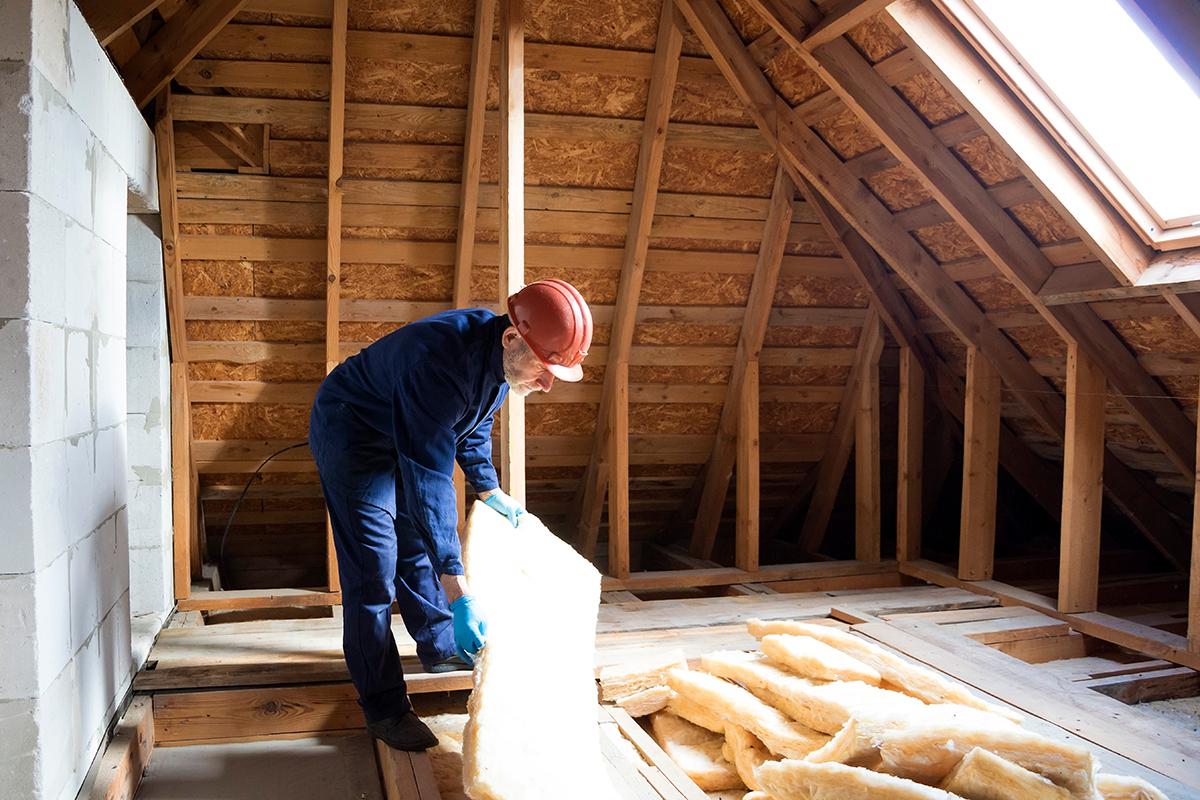
Traditional insulation systems rely on fitting materials into place, leaving transitions vulnerable to gaps and inconsistencies. Closed-cell foam expands directly into these areas, forming a continuous seal that improves system reliability, reduces operational inefficiencies, and extends the functional life of the building envelope.

PERFORMANCE BREAKDOWN

What Actually Drives Insulation Effectiveness

Performance is not defined by a single factor. It is the combined result of thermal control, air restriction, structural contribution, and long-term stability within the building envelope.

Thermal Control Efficiency

Delivers consistent resistance against heat transfer, reducing fluctuation between interior and exterior conditions.

Air Movement Restriction

Limits uncontrolled airflow that typically leads to energy loss and uneven pressure within the structure.

Structural Integration Strength

Adds density and bonding to surfaces, supporting walls, roofs, and framing systems under load.

Long-Term Stability

Maintains performance characteristics over time without shrinking, shifting, or breakdown.

Controlled Insulation Creates Predictable Interiors

When insulation performs as a complete system, interior conditions remain steady. Temperature, humidity, and energy demand stay within controlled ranges, reducing strain on mechanical systems and improving overall building reliability.

Where Installation Precision Defines Final Output

System performance is directly tied to how accurately the material is applied. Each stage is controlled to ensure uniform coverage, proper bonding, and consistent behavior across the entire structure.

Complete Surface Bonding

Material adheres directly to substrates, eliminating voids and transition gaps that compromise insulation continuity.

Controlled Application Process

Thickness, expansion, and curing are managed to deliver uniform performance without weak or overbuilt areas.

Reduced Energy Drift Over Time

A sealed envelope minimizes fluctuation in indoor conditions, keeping system demand steady and predictable.